

The Role of Emotion in Gambling
The emotional landscape of gambling is complex and deeply intertwined with the decision-making processes of players. Emotions such as excitement, fear, and adrenaline can significantly influence the choices gamblers make at the casino. When players experience a win, the rush of dopamine released in the brain can create a euphoric feeling, leading them to chase further wins, often disregarding the odds stacked against them. This emotional high can be addictive, encouraging players to return to the casino in hopes of recapturing that exhilarating feeling; for example, some may seek out the best crypto casinos to enhance their experience.
Conversely, loss can evoke strong emotions like frustration and despair, prompting gamblers to double down in an attempt to recover their losses. This is often referred to as “loss chasing,” where emotional impulses overshadow rational thinking. Understanding this emotional dynamic is crucial for both gamblers and casino operators, as it can help in creating a more mindful gambling environment that emphasizes responsible play.
Cognitive Biases and Their Impact
Cognitive biases are systematic errors in thinking that can affect decision-making and judgment. In the context of casino games, several biases can significantly influence a player’s experience and outcomes. One notable example is the “gambler’s fallacy,” where individuals believe that past outcomes influence future games. A player may think that a slot machine that hasn’t paid out recently is “due” for a win, leading to increased betting despite the machine’s randomness. Recognizing these biases is essential for gamblers to improve their decision-making process.
Moreover, the “illusion of control” bias leads players to believe they can influence the outcome of games based on their skill or strategy, particularly in skill-based games like poker. This perception can foster a false sense of security and encourage gambling behavior that may not align with actual probabilities. By understanding these cognitive traps, players can become more aware of their thought processes and make more informed choices while gaming.
The Influence of Environment and Design
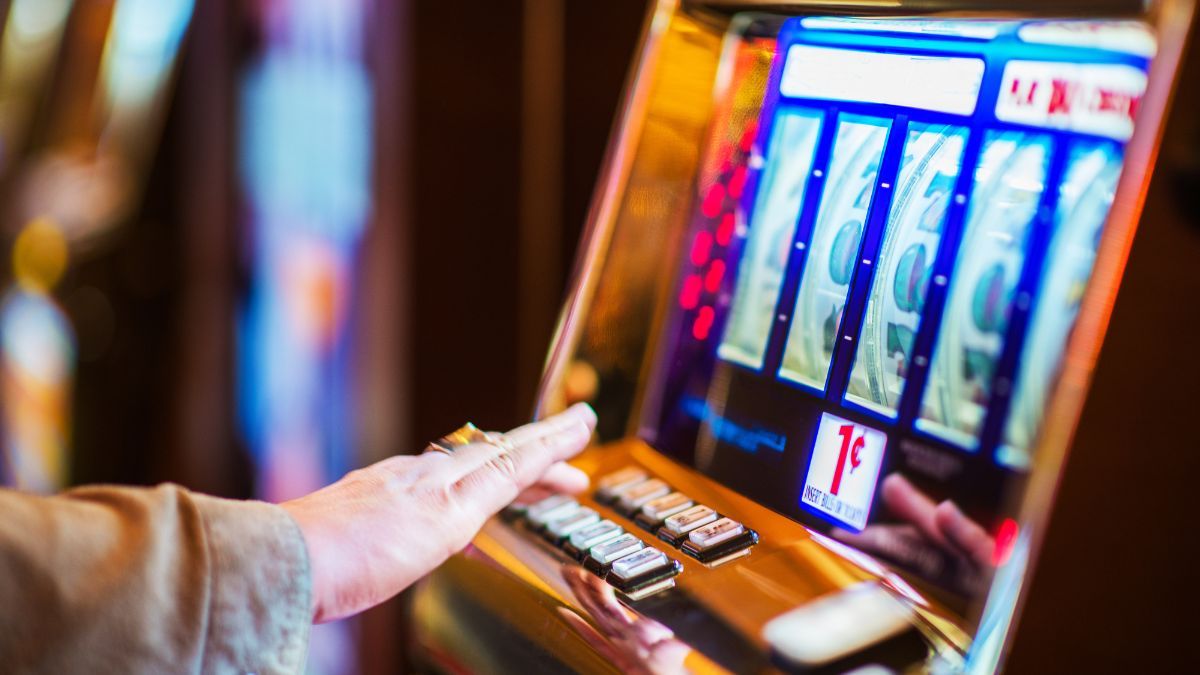
The environment of a casino plays a pivotal role in shaping a gambler’s psychology. From the flashing lights and vibrant colors to the sound effects of winnings, every aspect is meticulously designed to enhance the gaming experience. This sensory stimulation can create an exhilarating atmosphere that keeps players engaged for longer periods. Casinos often use layouts that encourage gambling by placing games and slot machines in ways that promote interaction and accessibility.
Additionally, the absence of clocks and windows in many casinos is a deliberate design choice aimed at disorienting players regarding the passage of time. This tactic can lead to extended gambling sessions, as individuals lose track of time and continue to play. Understanding how the casino environment affects behavior can empower players to maintain awareness and set personal limits while enjoying their gaming experiences.
Strategies for Responsible Gambling
To foster a healthy gaming experience, it is essential to adopt strategies that align with responsible gambling practices. Players can benefit from setting clear budgets and boundaries before entering a casino. This self-imposed regulation helps to mitigate the emotional impulses that can lead to excessive gambling. Individuals should also be aware of their emotional states when gambling; recognizing the difference between entertainment and compulsion is crucial for maintaining control.
Furthermore, utilizing tools such as self-exclusion programs and support networks can provide additional layers of protection against problematic gambling behaviors. By prioritizing self-awareness and engaging in responsible gambling practices, players can enjoy the thrill of casino games without falling prey to the psychological traps that often accompany them.
Exploring the Rich History of Gambling and Casino Games
The fascinating evolution of gambling and casino games is rooted in ancient cultures, where games of chance were often intertwined with religious and social practices. Understanding the psychological aspects of these activities allows us to appreciate their historical significance and societal impact. Each culture has contributed unique elements to what we now recognize as modern casino gaming, reflecting human behavior and social interaction throughout history.
Moreover, the study of gambling psychology not only helps players make informed decisions but also enhances the development of gaming environments that prioritize responsible behavior. By exploring how past societies engaged with games of chance, we can glean insights applicable to contemporary gaming practices. This intersection of history and psychology continues to shape the landscape of gambling today, making it a rich area for exploration and understanding.